
Explore the intricate balance of tradition, technology, and sustainability in the world of fishing, reflecting its rich cultural heritage and modern implications.
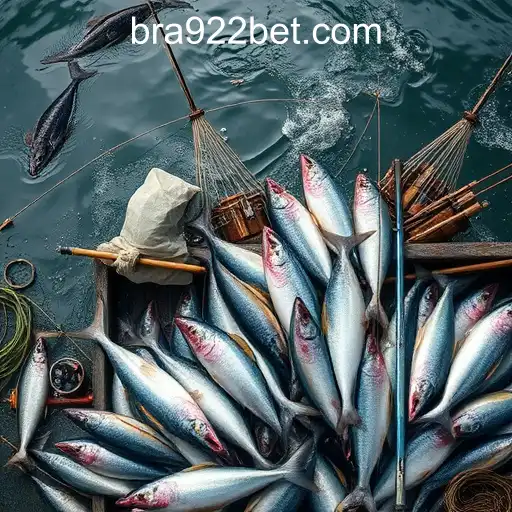
Fishing: An Age-Old Tradition and Its Modern Implications
Fishing has been an intrinsic part of human culture and survival. From the times of primitive civilizations to the bustling digital age, it represents far more than the act of catching fish. It merges the delicate balance of nature's bounty and human ingenuity. In recent years, however, the dynamics of fishing have evolved, entangling with economic, environmental, and technological threads.
The Rich Cultural Heritage of Fishing
Across various cultures, fishing remains a central theme in folklore and community life. Whether it be through stories of legendary catches or traditional techniques passed down through generations, fishing symbolizes not only sustenance but also trust in the natural world. Entire communities have historically thrived along coastlines and riverbanks, relying heavily on fishing as their main livelihood.
Modern Challenges and Innovations
While fishing continues to serve as a staple industry and recreational activity, it faces modern challenges. Overfishing has become a critical issue, with species depletion causing significant ecological imbalance. As a means to combat this, there has been a push towards more sustainable practices and regulations across the globe. Innovations in technology now allow for better monitoring of fish populations and more precise fishing methods that aim to minimize environmental impact.
Technology-Driven Solutions
In today's digital landscape, advancements such as GPS fishing mapping systems have revolutionized how commercial and recreational fishing is conducted. Automated systems and AI-based analytics assist in predicting migration patterns and sustainability levels, ensuring that fishing practices do not exceed ecological capacities. These technological tools are crucial for fostering a future where fishing can continue to coexist with vibrant marine ecosystems.
The Economic Impact
Economically, fishing plays a pivotal role in global markets. A major source of employment, it links directly to exporting cultures and food industries worldwide. The fishery sector creates jobs not only for fishermen but also in areas such as processing, distribution, and equipment manufacturing. However, these economic benefits must be balanced with conservation efforts to maintain the industry's longevity.
Recreational Fishing: A Growing Trend
In the vein of leisure, recreational fishing has seen immense growth, garnering a worldwide audience captivated by the thrill of the catch. This has led to the emergence of fishing tourism, a sector attracting both domestic and international tourists. As more people seek out nature-based experiences, fishing offers a unique opportunity to connect with the outdoors.
The industry's evolution also reflects in how fishing experiences are marketed by entities involved in recreational and gambling sectors, such as 922bet Oficial Slots Brasil #1, adding a unique edge to the narrative with themed gaming and remote fishing competitions.
Environmental Considerations and Sustainable Development
For fishing to remain a viable practice, it is essential to consider its environmental impacts. Initiatives aimed at promoting sustainable fishing include establishing marine protected areas and implementing quotas to prevent overexploitation of fish stocks. Educating fisher communities about responsible practices is critical to ensuring the sustainability of aquatic life.
Community Involvement and Education
In many parts of the world, communities have started engaging in grassroots movements to safeguard their fishing environments. Education campaigns focus on raising awareness about the sustainable harvesting of marine resources and the importance of maintaining biodiversity. Such efforts are instrumental in empowering local fisheries to become self-sustaining while protecting marine environments for future generations.
The Future of Fishing
As we look towards the future, the potential for reimagining fishing practices with a conservation focus remains promising. Emerging markets, innovations, and sustainable methodologies continue to shape how we interact with aquatic resources. Ensuring that fishing can be practiced responsibly will be key to maintaining both human and marine wellbeing. Whether for subsistence, economy, or leisure, the traditions and innovations surrounding fishing evolve with the times, demanding a careful balance of innovation and conservation.